The Seamless Shift: How Honda’s Dual Clutch Transmission (DCT) Revolutionized Motorcycle Riding
Since its introduction in 2010 on the VFR1200F, Honda’s Dual Clutch Transmission (DCT) has been arguably the biggest innovation in motorcycle technology this century.
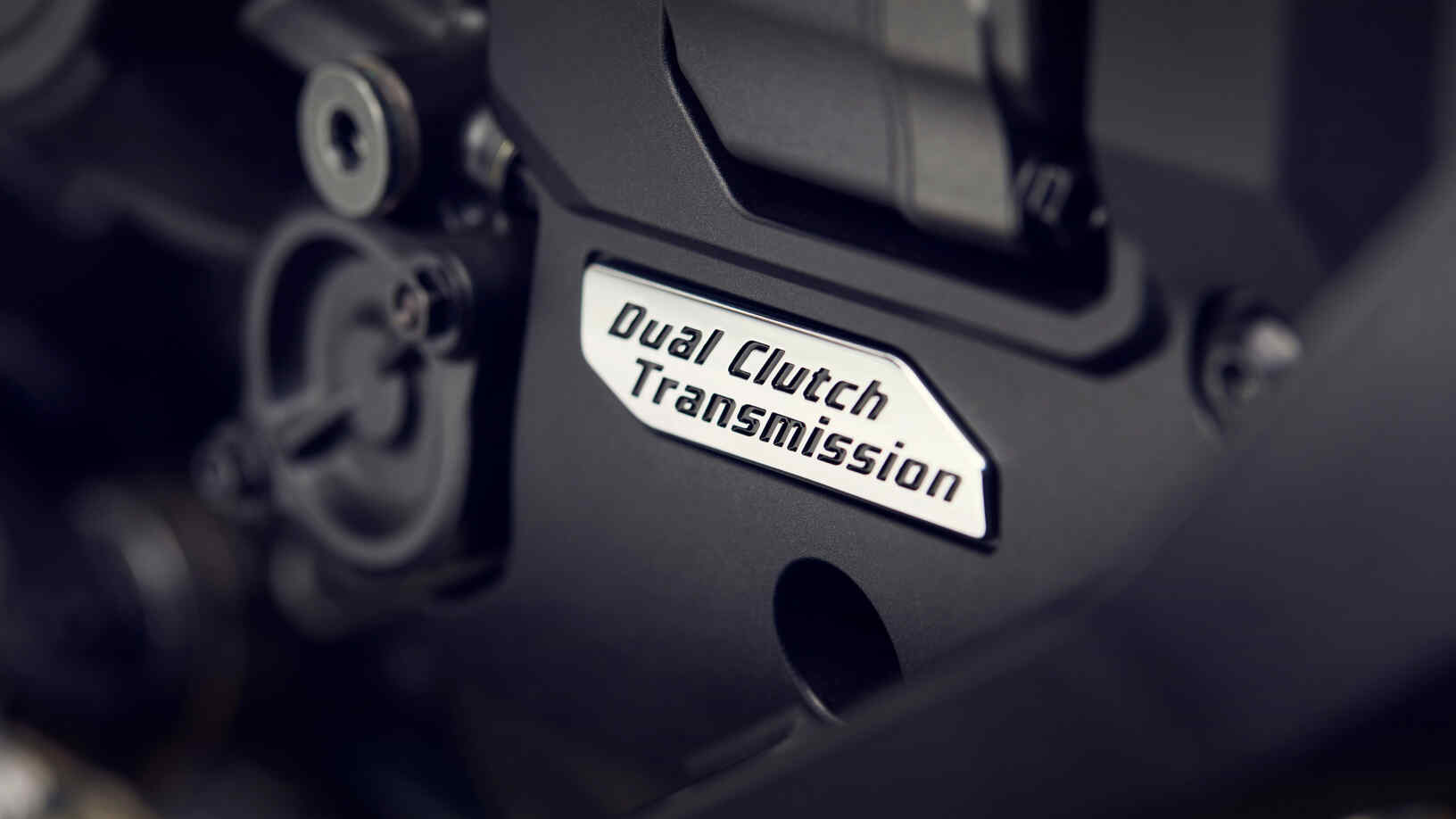
Far from a traditional “automatic” gearbox, the DCT system is a technologically advanced, electro-hydraulically controlled manual transmission that offers the rider the best of both worlds: the freedom of automatic shifting combined with the performance and precision of a seamless manual box.
The Engineering Magic: How DCT Works
The Dual Clutch Mechanism
The entire system is remarkably compact, utilizing two main shafts positioned concentrically (one inside the other):
- Clutch 1 (Outer Shaft): Controls the odd-numbered gears (1st, 3rd, 5th, and on the Gold Wing, 7th).
- Clutch 2 (Inner Shaft): Controls the even-numbered gears (2nd, 4th, and 6th).
The Secret to Seamless Shifting
While the motorcycle is running in, say, 1st gear (engaged by Clutch 1), the system’s electronics and hydraulics automatically pre-select 2nd gear on the opposite shaft (Clutch 2). When the pre-determined shift point is reached, the ECU simultaneously disengages Clutch 1 and engages Clutch 2.
Because the next gear is already rotating at the correct speed and ready for engagement, the shift happens almost instantaneously and without any interruption in the flow of power to the rear wheel. The result is a lightning-fast, incredibly smooth gear change that even expert manual riders cannot consistently replicate.
Modes of Operation: Auto and Manual
Automatic Mode (AT – Drive and Sport):
- D (Drive) Mode: This is the default setting, optimized for relaxed cruising and maximizing fuel efficiency by shifting up early.
- S (Sport) Mode: This mode holds gears for longer, shifts up at higher RPMs, and downshifts more aggressively for increased engine braking, offering a far sportier and more engaged feel. Many DCT-equipped bikes, such as the Africa Twin, offer multiple ‘S’ sub-modes (S1, S2, S3) to fine-tune the sporty response.
Manual Mode (MT):
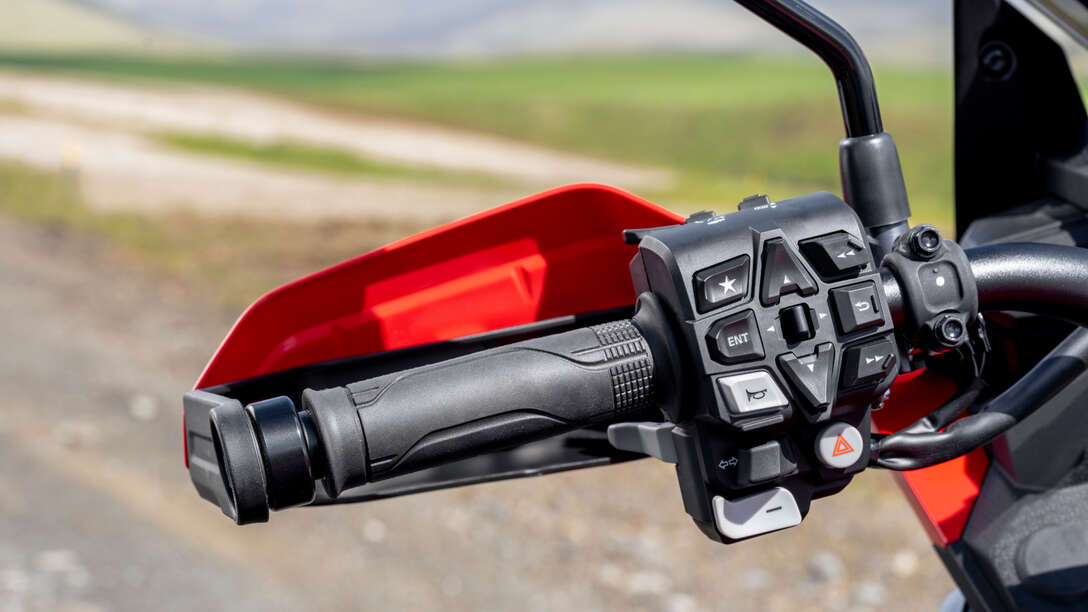
- In MT, the rider takes full control, using upshift and downshift trigger switches (paddles) located on the left handlebar. Shifts remain lightning-fast, giving the rider the direct control of a manual, but without the effort of managing a clutch lever. The system will auto-downshift to first when coming to a complete stop to prevent stalling.
Override Function:
- Crucially, even when riding in Automatic mode, the rider can instantly take control by pressing the paddle shifters. This is perfect for executing a quick overtake or initiating strong engine braking before returning to automated control moments later.

Why Riders Choose DCT: Benefits on the Road
The advantages of the DCT system translate directly into enhanced riding enjoyment and focus:
- Effortless Commuting: In heavy, stop-and-go traffic, the DCT eliminates the tiring chore of clutch feathering and constant shifting. Since the bike cannot stall, low-speed maneuvering is simplified.
- Reduced Fatigue: On long touring journeys, particularly on bikes like the Gold Wing or NT1100, the automated shifting allows the rider to relax and focus their mental energy entirely on steering, braking, and traffic awareness.
- Seamless Performance: Gear changes are faster and smoother than even the best quick-shifters, maximizing acceleration with no noticeable torque interruption.
- Off-Road Confidence: On adventure models like the Africa Twin, DCT allows riders to concentrate solely on throttle control and line selection over technical terrain without worrying about clutch control or stalling in low-traction situations.
- Accessibility: The lack of a clutch lever and foot pedal opens up motorcycling to riders with physical limitations or those who simply find manual shifting intimidating.
Key Honda Models Featuring DCT
Honda has demonstrated its commitment to DCT by integrating the technology into a wide range of popular models:
- Adventure: Africa Twin, Africa Twin Adventure Sports, NC750X
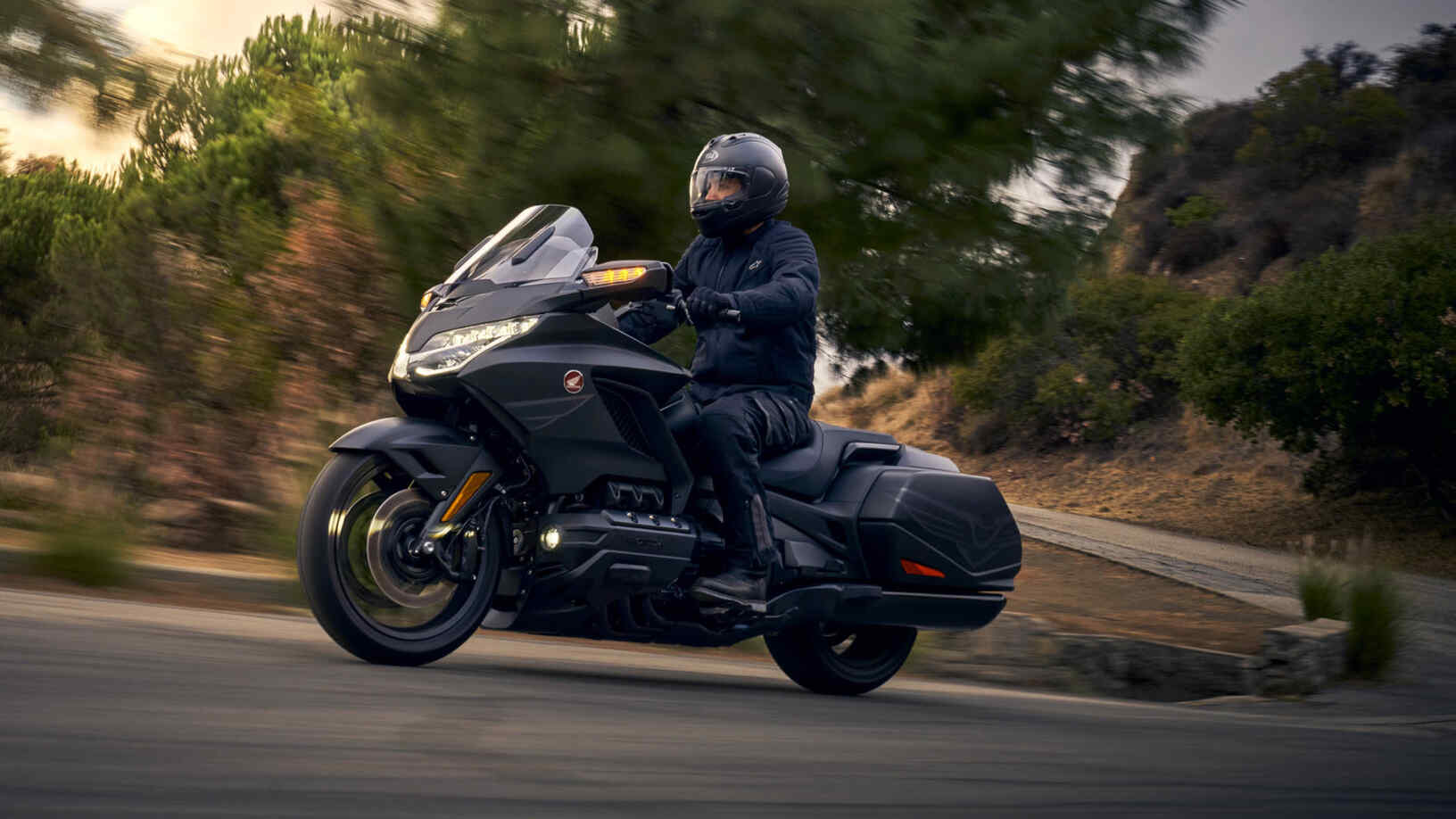
- Touring: Gold Wing (standard 7-speed DCT), NT1100
- Cruiser: Rebel 1100
- Urban/Scooter: X-ADV, Forza 750
Honda’s DCT system successfully bridges the gap between traditional motorcycle engagement and modern convenience, proving that true mechanical enjoyment and automated efficiency can coexist seamlessly on two wheels.