



Exploring the golden era of The Automobile Association’s two-wheeled roadside assistance.
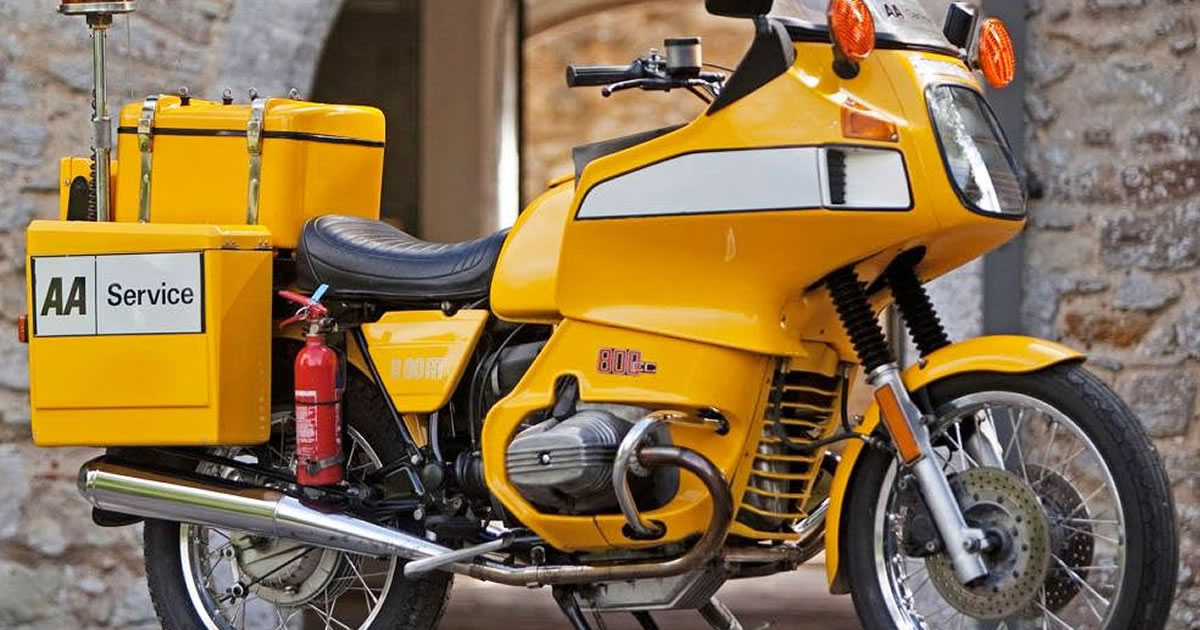
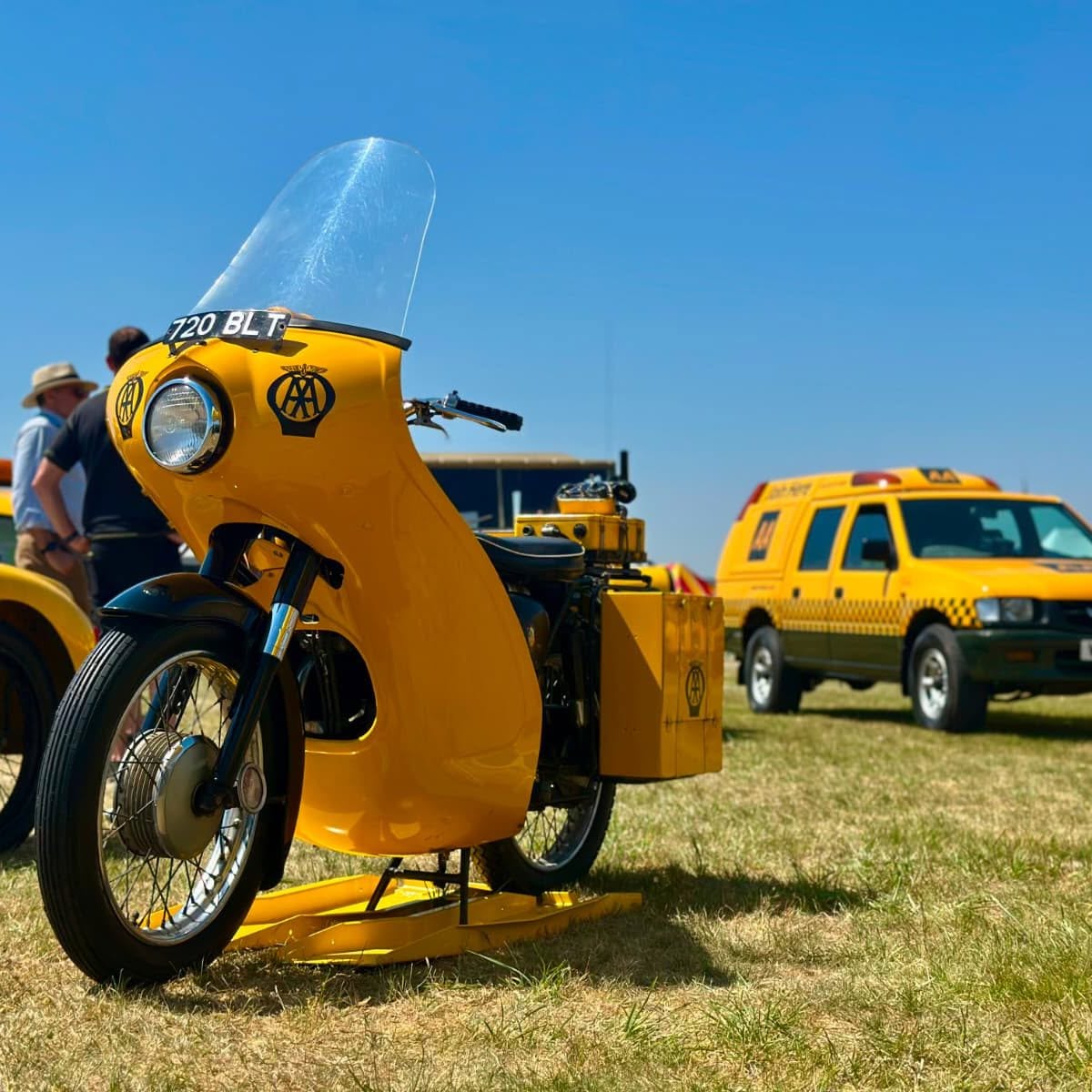
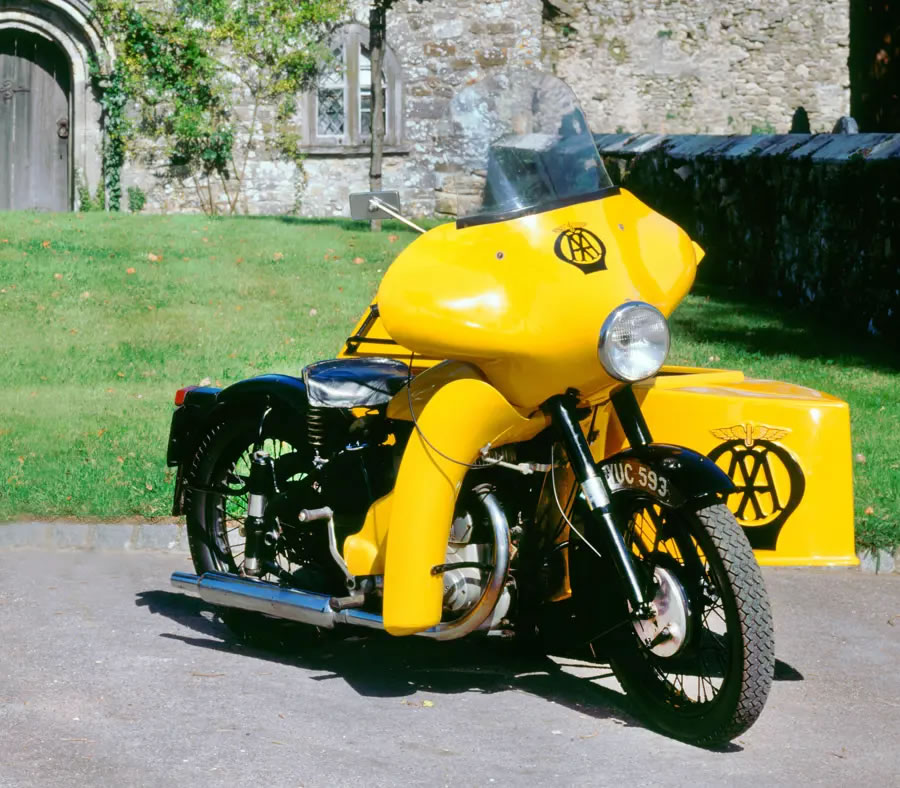
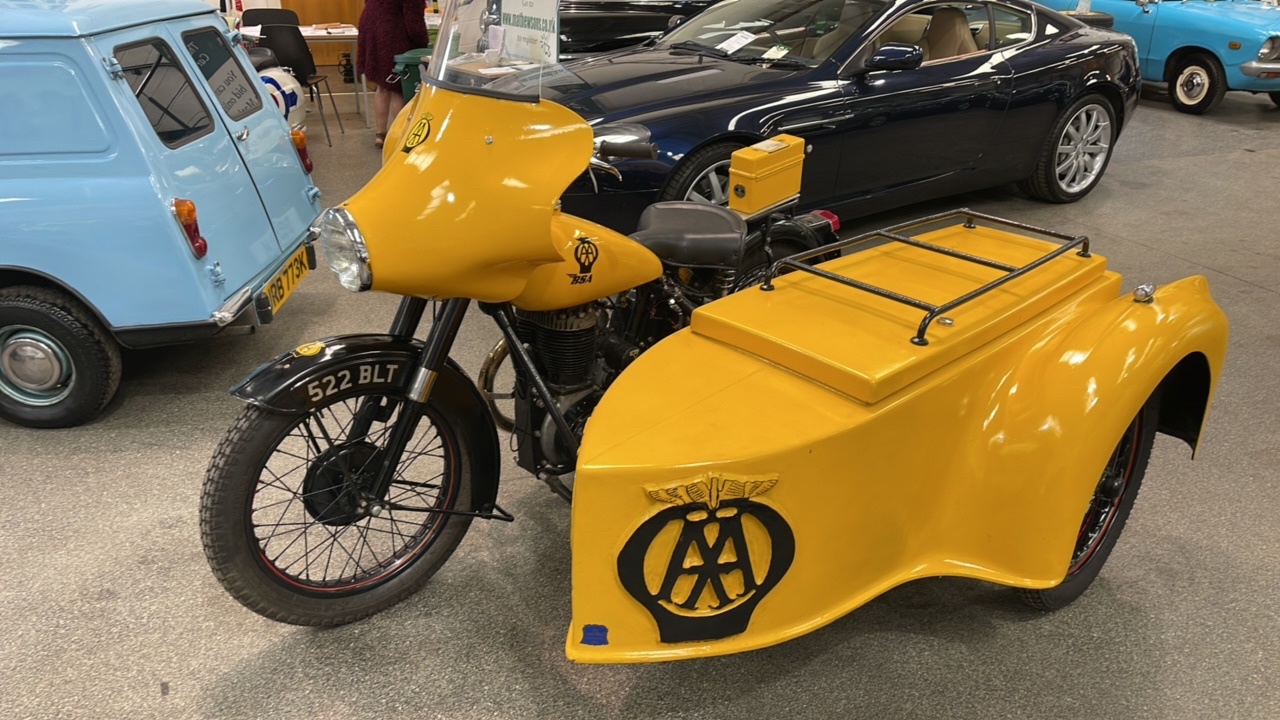
If you follow The Automobile Association (The AA) on social media, you might occasionally catch a glimpse of a fantastic piece of British motoring history. The AA often shares memories of their classic yellow motorcycles, beautifully restored vintage machines complete with iconic yellow fairings and proud AA badges.
Thinking about these historic motorbikes highlights the stark contrast between how roadside assistance used to be delivered and how it operates today. Remembering these magnificent machines brings back a wave of nostalgia for an old practice that was once a very common, and very welcome, sight on British roads.
Long before the modern era of diagnostic laptops and heavy-duty flatbed recovery lorries, the AA relied heavily on motorcycles. The very first AA patrols actually rode bicycles, primarily to warn motorists of police speed traps. However, as motorcars became more prevalent and capable of travelling further distances, the AA needed a faster way to reach stranded members.
By the 1920s and throughout the mid-20th century, motorcycles became the backbone of the AA’s roadside assistance network. Iconic British motorcycle brands such as BSA, Triumph, and Norton were frequently used. These nimble machines allowed patrolmen (as they were exclusively known at the time) to weave through heavy traffic and navigate narrow country lanes much faster than a cumbersome van or truck could.
Because a motorcycle offers limited space, early AA patrols had to be incredibly resourceful. The bikes were typically fitted with sturdy, boxy panniers mounted to the rear. They could not tow a vehicle, so their primary goal was to fix the car at the roadside and get the motorist on their way.
The motorcycle panniers and sidecars (which were also widely used) were essentially compact, mobile workshops. They contained:
So, why did this incredibly efficient and stylish practice eventually come to an end? The answer lies in the evolution of the motorcar itself.
As we moved into the latter half of the 20th century, cars became heavier, vastly more complex, and heavily reliant on electronic systems rather than simple mechanical carburettors and distributors. Roadside repairs shifted from a quick mechanical fix under the bonnet to requiring computerised diagnostic equipment. Furthermore, if a modern car could not be fixed at the roadside, it required a tow—something a motorcycle simply could not provide.
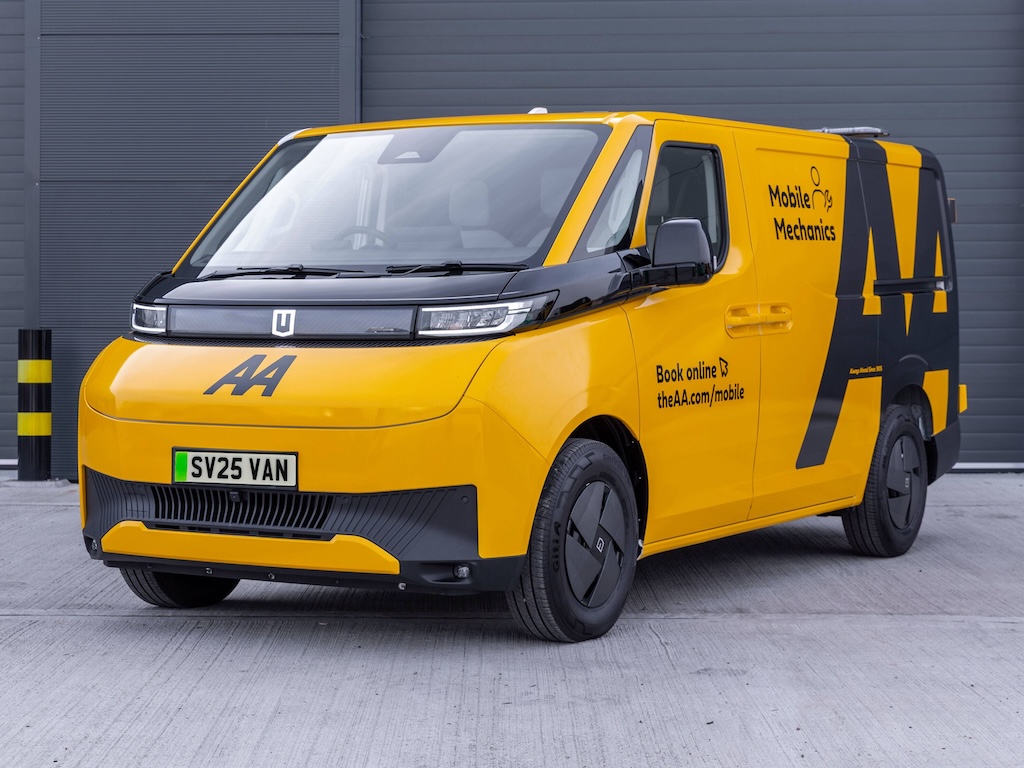
The transition to the modern, fully equipped yellow vans allowed patrols to carry more advanced tools, stock replacement batteries, and safely tow heavy, modern vehicles to local garages.
While the sight of an AA patrolman rendering a salute from a yellow BSA motorcycle is a thing of the past, these historic machines remain a beloved part of British transport heritage. They represent an era of motoring where mechanical ingenuity and a trusty set of spanners could solve almost any breakdown.
Today, classic AA motorcycles are highly sought after by collectors and are frequent stars at classic car and vintage vehicle shows across the country. They serve as a brilliant reminder of the AA’s long-standing commitment to keeping the UK moving, no matter how many wheels the patrol happens to be riding on.
No corner of the UK is too far for the delivery team and it’s partners at Mallory Motorcycles. We proudly deliver to all major cities, towns, and even remote areas across the entire nation, including:
Mallory Motorcycles Ltd is registered in England and Wales (Company Registration number 13948787). Registered Address Unit 2 Griffon Road, Derbyshire DE7 4RF. Authorised and Regulated by the Financial Conduct Authority (number 1037062). Mallory Motorcycles Ltd is a credit broker and not a lender. We can introduce you to a limited number of finance lenders and for such introductions we will receive commission. The commission payment can be either a fixed fee or a fixed percentage of the amount you borrow. The lenders we work with could pay commission at different rates. The commission we receive will not affect the amount you repay under the credit agreement. All finance is subject to status. Terms and conditions apply. Applicants must be 18 years or over.