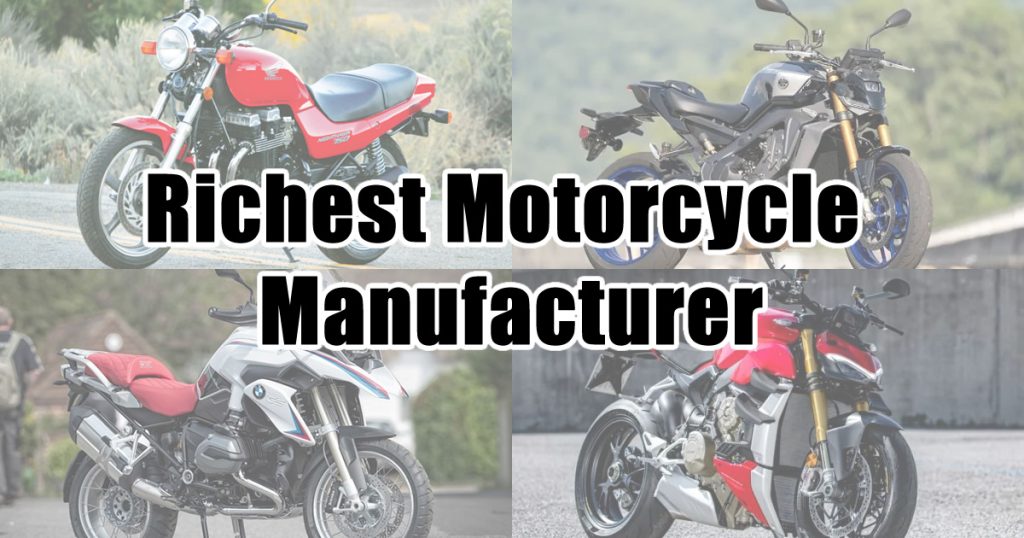
If you have ever wondered which motorcycle company has made the most money — not just sold the most bikes, but genuinely built the most wealth — the answer is clear and it has been the same for over six decades. Honda Motor Co., Ltd. is, by a considerable margin, the richest motorcycle manufacturer in the world.
Whether you measure it by annual revenue, operating profit, total units sold, or global market share, Honda sits at the top. But how did a company founded in postwar Japan become a financial powerhouse that dominates two-wheel transport across six continents? And how do the other big names — Yamaha, Harley-Davidson, BMW, Hero, Kawasaki — stack up in comparison? Let us break it all down.
The Short Answer: Honda Motor Co.
Honda Motor Co. is the world’s richest and largest motorcycle manufacturer, a title it has held without interruption since 1959. In the fiscal year ending March 2025, Honda’s motorcycle division generated sales revenue of approximately 919.6 billion yen — roughly $6.35 billion USD — with an operating profit of around $4.58 billion and an operating margin of 18.3%. That margin, it is worth noting, was the highest of any of Honda’s major business units, including cars.
In terms of units, Honda sold more than 20 million motorcycles in 2025, breaking its own all-time record and capturing over 30% of the entire global motorcycle market. No other manufacturer comes close to that scale.
Honda's Origins: From a Wooden Shed to a Global Empire
To understand why Honda is so dominant, you need to go back to the beginning. Honda Motor Co., Ltd. was formally established on 24th September 1948, in Hamamatsu, Japan, by Soichiro Honda and his business partner Takeo Fujisawa. The company started with 34 employees and capitalisation of just one million yen.
Soichiro Honda was a self-taught engineer with an obsession for engines and motorsport. Takeo Fujisawa was the shrewd financial mind who kept the business alive. Together, they made an extraordinary team. In 1949, Honda unveiled the Dream D-Type — the company’s first true motorcycle — powered by a 96cc two-stroke engine producing three horsepower. It was simple, affordable, and reliable. It sold.
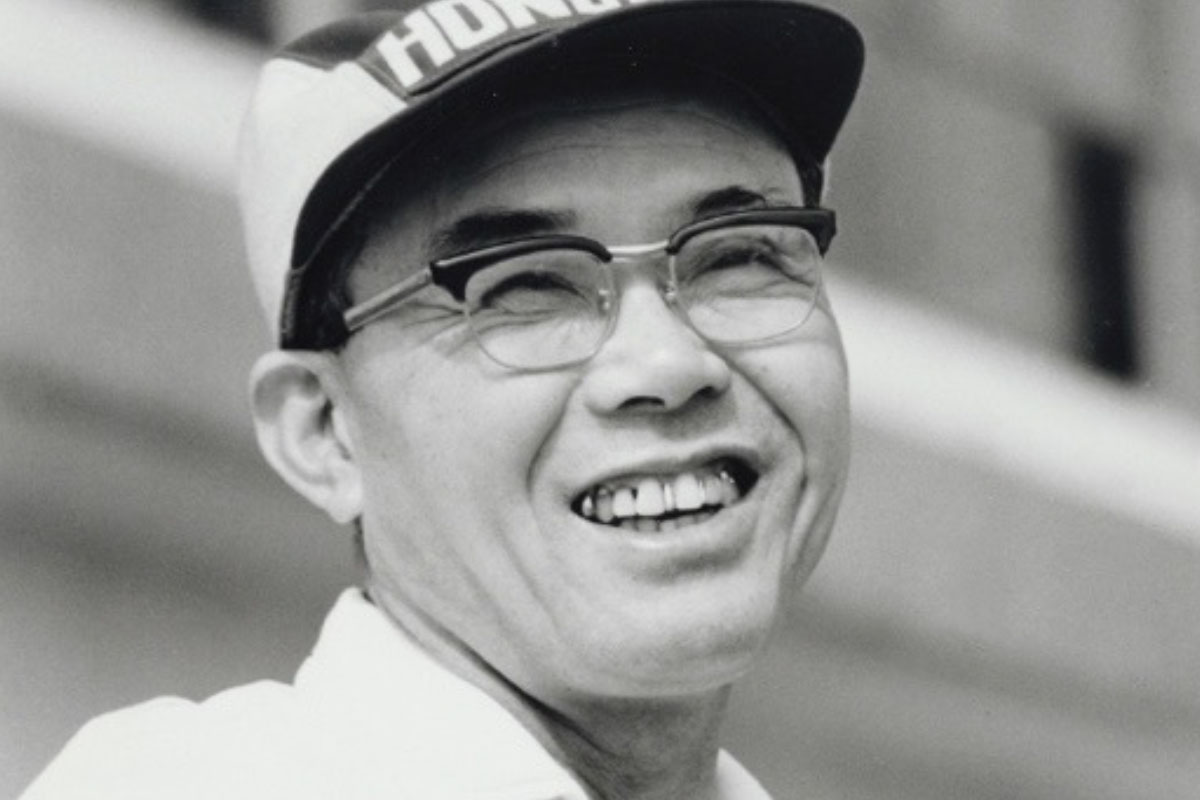
From those modest beginnings, Honda grew with remarkable speed. By 1959, the company had already become the world’s largest motorcycle manufacturer by volume — a position it has never once relinquished.
The Numbers That Make Honda the Richest
Motorcycle Division Revenue and Profit
Honda’s motorcycle business is, in financial terms, the company’s standout performer. In FY2025, the division achieved an 18.3% operating margin — the highest across all of Honda’s business segments — while growing its motorcycle sales revenue by 6.7% year-on-year. This growth came primarily from Asia and Latin America, where demand for reliable, affordable two-wheelers remains enormous.
To put the profitability in perspective: Honda’s motorcycle division alone generates more operating profit than the entire annual revenues of several of its best-known competitors.
Total Company Scale
Honda Motor Co. is not merely a motorcycle company — it is a diversified global corporation that also manufactures cars, power equipment, marine engines, aircraft (via HondaJet), and robotics including the famous ASIMO humanoid. The company employs nearly 200,000 people and operates in over 140 countries. Its total company revenue for FY2024 was approximately $140 billion USD.

Motorcycles, however, remain Honda’s most profitable segment per unit and the division most closely tied to the company’s founding identity.
Global Sales Volume
Honda sold over 20 million motorcycles in 2025, setting a new all-time industry record. At the same point in 2026, Honda was already tracking 13.2% ahead of the prior year’s pace with 7.35 million units sold in the year to date as of April 2026. The full-year 2026 forecast stands at 21.3 million units.
The Honda Super Cub: The Most Produced Vehicle in History
You cannot discuss Honda’s wealth and dominance without mentioning the Honda Super Cub. Launched in 1958, the Super Cub is the most produced motor vehicle in the history of mankind — of any kind, not just motorcycles. By 2017, production had surpassed 100 million units, eclipsing the Volkswagen Beetle, the Toyota Corolla, and the Ford F-150 combined.
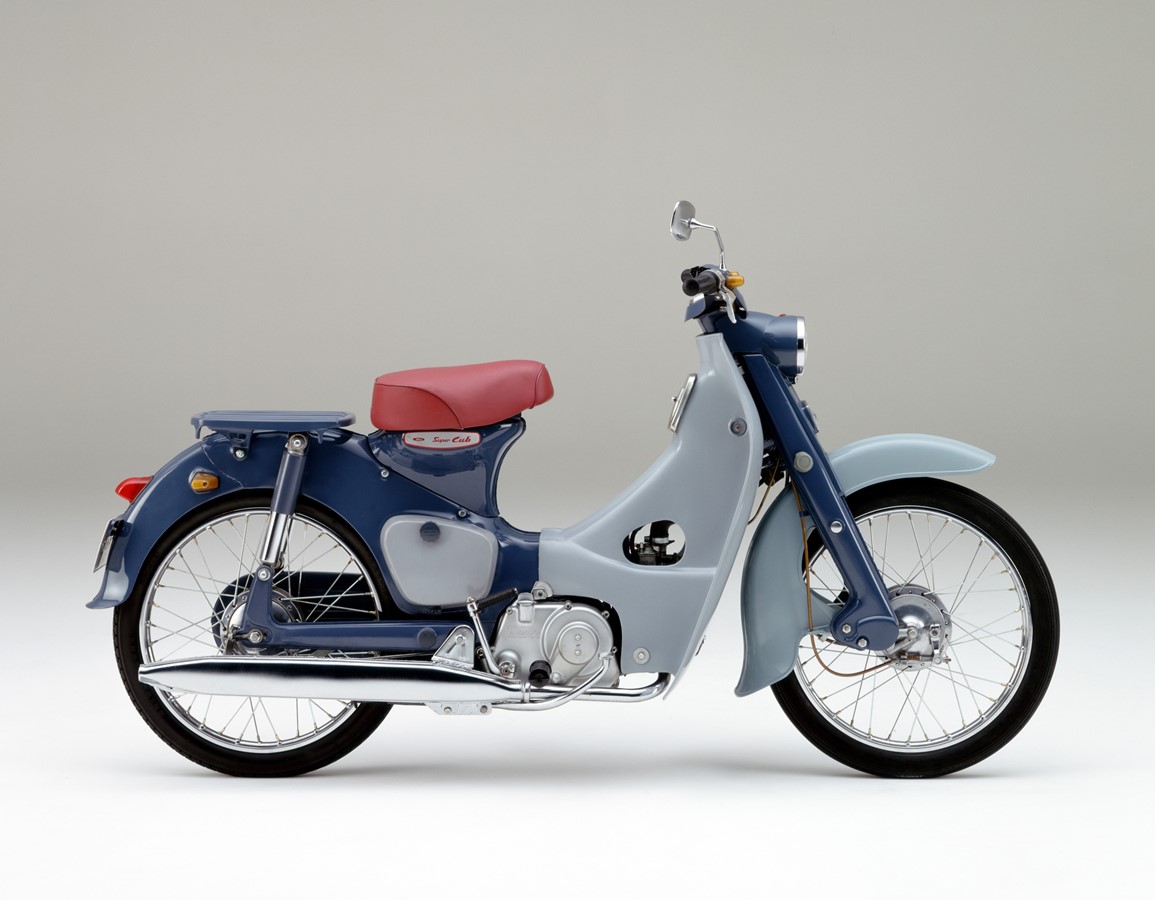
The Super Cub succeeded because it was brilliantly conceived: simple enough to be repaired with basic tools, fuel-efficient enough to run cheaply on low-grade petrol, and affordable enough to be bought by ordinary working people across the developing world. It put millions of people in Asia, Africa, and Latin America on wheels for the first time.
The 500 Million Milestone
In 2025, Honda reached a landmark that no other manufacturer has come close to: the production of its 500 millionth motorcycle worldwide. This achievement, coming 76 years after Honda began mass production in 1949, was marked by a symbolic ceremony in India — the country that now plays a central role in Honda’s global strategy. The 500 millionth unit was a Honda Activa, one of India’s best-selling scooters.
This milestone reflects not just volume but an industrial philosophy built on local production for local demand. Honda established its first overseas motorcycle factory in Belgium as early as 1963, long before most competitors thought globally.
How Do Honda's Rivals Compare?
Honda’s dominance does not mean the competition is standing still. Here is a look at the other major players and where they sit financially.
Yamaha is Honda’s most credible global rival in terms of scale. Motorcycle-related revenue across Yamaha’s broader business is projected to reach approximately 2.70 trillion yen — around $18.25 billion — for 2025. However, Yamaha’s overall business includes marine products, power sports, and industrial machinery, so a direct comparison with Honda’s motorcycle-specific figures requires careful reading. In unit sales, Yamaha sits in third place globally behind Honda and Hero MotoCorp, with approximately 1.7 million units sold in the year to April 2026.
Hero MotoCorp
India’s Hero MotoCorp is the world’s second-largest motorcycle manufacturer by volume, having sold 2.0 million units in the year to April 2026 — a remarkable 17.6% year-on-year increase. Hero is dominant in the Indian domestic market, where two-wheelers are essential everyday transport. However, its revenue and profit figures remain far below Honda’s, as its business is heavily concentrated in one geography and the lower price bracket of the market.
BMW Motorrad is the premium player most UK riders will recognise. It does not compete in volume terms — selling around 200,000 units per year — but it commands some of the highest margins in the industry through models like the R 1300 GS and the S 1000 RR. BMW has been growing its Adventure segment strongly and continues to invest in electrification. In terms of overall wealth, however, BMW Motorrad is a division of the BMW Group rather than a standalone company, making a like-for-like comparison difficult. BMW Group as a whole is a far larger automotive business.
Harley-Davidson remains one of the most recognised motorcycle brands on the planet, particularly in North America, where cruisers and touring bikes dominate. However, Harley has faced challenges in recent years as younger consumers shift towards adventure and utility-focused bikes, and as its traditional core market ages. Its annual revenues run to approximately $5-6 billion USD across all product lines, making it a significant business — but one considerably smaller than Honda’s motorcycle division alone.
Kawasaki’s motorcycle division reported a record business profit of approximately $968 million for 2024 — a strong result, but one that illustrates the extraordinary gap between Honda and even its Japanese stablemates. Honda’s motorcycle operating profit is roughly four to five times larger than Kawasaki’s total motorcycle business profit.
Suzuki reported total company revenues of $36.60 billion in FY2024, though the vast majority of this comes from its car business. Its motorcycle and ATV division sold approximately 1.91 million units globally in FY2023, with Asia accounting for the bulk of demand. Suzuki is a solid, well-established motorcycle business, but it operates at a significantly smaller scale than Honda in the two-wheel market.
Why Has Honda Been Able to Stay at the Top?
Scale and Manufacturing Efficiency
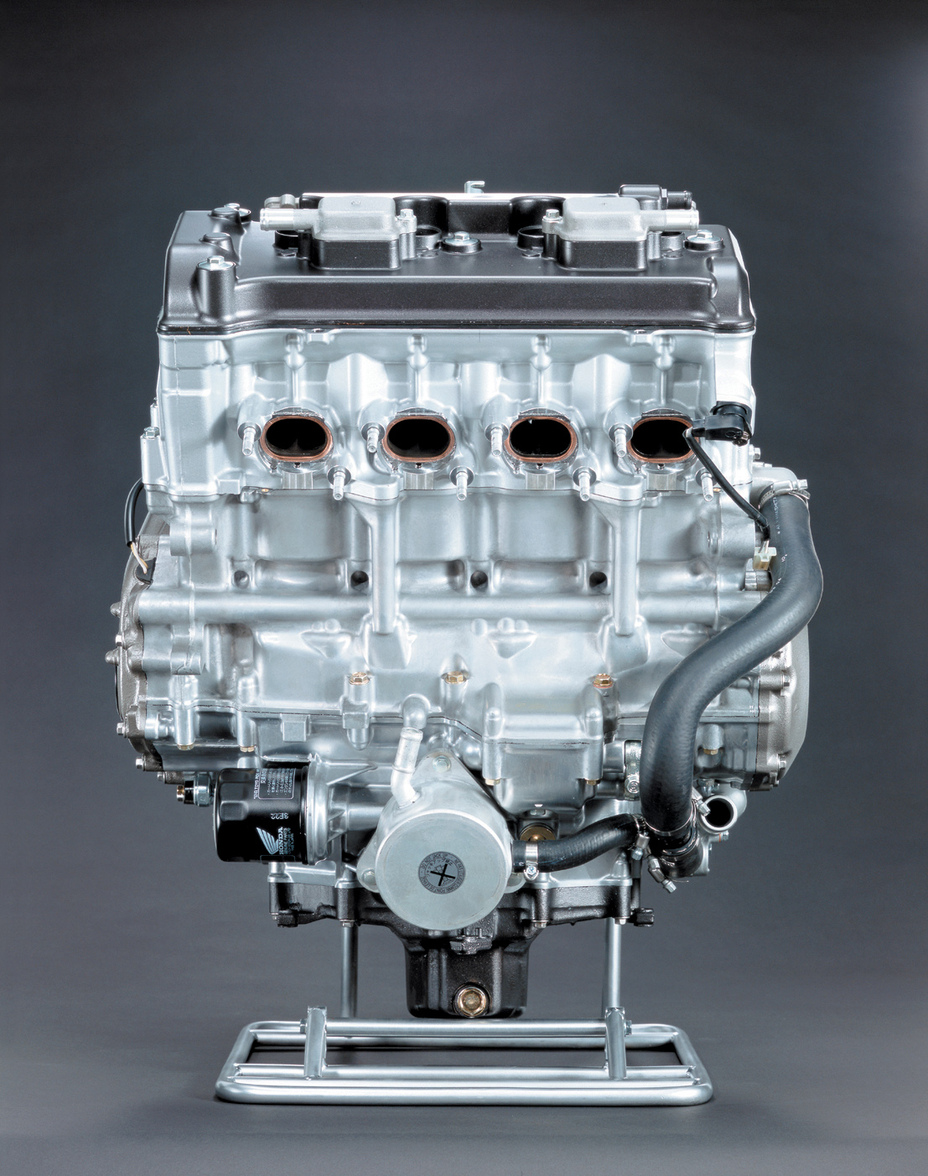
Honda produces over 14 million internal combustion engines annually across all product lines, making it the world’s largest engine manufacturer by volume. That scale drives enormous cost efficiencies that smaller competitors simply cannot replicate. When you build this many engines, the cost per unit drops dramatically, and those savings flow directly into margins or pricing competitiveness.
Geographic Spread
Honda operates manufacturing plants in over 30 countries. It was one of the first global manufacturers to adopt a “local production for local demand” model, building bikes close to the markets that buy them. This reduces import tariffs, shortens supply chains, and makes Honda resilient against currency fluctuations — all of which protect profitability in ways that more centralised competitors cannot match.
Product Range Breadth
Honda sells motorcycles at every price point and in every category: commuter scooters, trail bikes, sports machines, adventure tourers, cruisers, and off-road racers. This breadth means Honda captures revenue from every segment of the market simultaneously. Whether you are a student in Vietnam buying a 110cc commuter or a British rider shopping for an Africa Twin, Honda has a product for you.
Racing Pedigree & Brand Trust
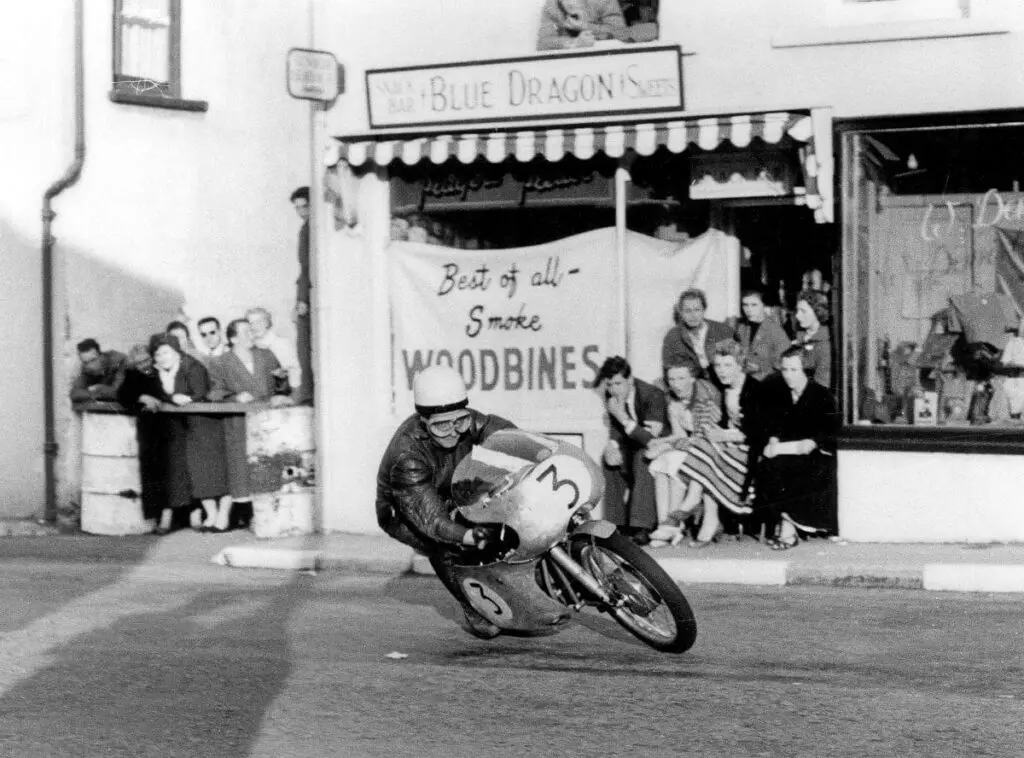
Honda has been competitive at the very highest levels of motorsport since the 1950s, including at the Isle of Man TT — a race that Soichiro Honda himself attended in the early years, famously vowing to return and win it. Honda’s racing success has continuously fed its engineering reputation, which in turn drives consumer confidence and brand loyalty across all markets.
Investing in the Future
Honda is not resting on its laurels. The company is actively investing in electric two-wheelers, with management noting that the investment required to electrify motorcycles is significantly less demanding than electrifying cars — giving Honda a genuine competitive advantage as EV adoption grows. Honda aims to leverage its existing technologies and manufacturing scale to lead the electric motorcycle segment just as it has led the petrol-powered one.
What Does This Mean for the Wider Motorcycle Industry?
The global motorcycle market was valued at approximately $75.46 billion in 2025 and is projected to grow to $118.90 billion by 2034. Asia-Pacific remains the engine of growth, but the European and North American markets — where UK riders sit — continue to be significant, high-value segments dominated by premium and adventure motorcycle sales.

Electric two-wheelers now account for around 22% of global motorcycle sales, driven primarily by urban commuter markets in Asia. For the premium, adventure, and sports segments that British riders tend to favour, internal combustion engines remain very much the mainstream choice — though electrification is coming.
The dominance of Honda and the scale of the Japanese manufacturers as a whole — Honda, Yamaha, Kawasaki, and Suzuki — means that the four so-called Japanese Big Four continue to set the commercial agenda for the global industry, even as European brands like BMW and Ducati compete aggressively at the premium end.
Frequently Asked Questions
Who is the richest motorcycle manufacturer in the world?
Honda Motor Co. is the richest motorcycle manufacturer in the world. In FY2025, Honda’s motorcycle division generated approximately $6.35 billion in sales revenue and $4.58 billion in operating profit, making it the most profitable and highest-earning motorcycle business on the planet.
How much money does Honda make from motorcycles?
In its fiscal year ending March 2025, Honda’s motorcycle division generated sales revenue of 919.6 billion yen (approximately $6.35 billion USD) and an operating profit of 663.4 billion yen (approximately $4.58 billion USD), at an 18.3% operating margin — the highest of any of Honda’s major business segments.
Is Honda the biggest motorcycle manufacturer in the world?
Yes. Honda has been the world’s largest motorcycle manufacturer since 1959. In 2025, Honda sold more than 20 million motorcycles globally, representing over 30% of total worldwide motorcycle sales. No other manufacturer comes close to that volume.
What is the most produced motorcycle in history?
The Honda Super Cub is the most produced motor vehicle in history, with over 100 million units manufactured since it launched in 1958. By 2025, Honda had produced a total of 500 million motorcycles across all its models combined.
Who comes second to Honda in motorcycle revenue?
Yamaha Motor Co. is generally considered Honda’s closest rival in terms of revenue. Yamaha’s motorcycle-related revenues are projected to reach approximately $18.25 billion for 2025, though this figure covers its broader product portfolio. In unit volume, Hero MotoCorp of India holds second place globally behind Honda.
Is Harley-Davidson richer than Honda?
No. Harley-Davidson’s total annual revenues run to approximately $5-6 billion USD across all product lines. Honda’s motorcycle division alone generates more operating profit than Harley-Davidson’s entire revenue. Harley is a premium lifestyle brand with enormous cultural value, but it operates at a fraction of Honda’s financial scale.
Why has Honda dominated motorcycles for so long?
Honda’s dominance comes down to manufacturing scale, global geographic reach, product breadth across all price points and categories, decades of motorsport investment that built engineering credibility, and a “local production for local demand” model that keeps costs low and margins healthy. It is also the world’s largest producer of internal combustion engines by volume, which creates cost efficiencies competitors cannot replicate.
The Bottom Line
The richest motorcycle manufacturer in the world is Honda Motor Co., and it is not particularly close. With over 20 million bikes sold in 2025, $6.35 billion in motorcycle revenue, 500 million total motorcycles produced since 1949, and the most produced motor vehicle in history to its name, Honda’s financial dominance of the global motorcycle industry is both extraordinary and deeply earned.
It began with a passionate engineer in a wooden shed in Japan and grew into a global empire built on reliability, affordability, and relentless innovation. Whether you ride a Honda or not, there is no question that Soichiro Honda’s legacy sits at the very pinnacle of motorcycling history — financially and culturally.
Looking to buy a used motorcycle in the Midlands? Browse the current stock at Mallory Motorcycles, a trusted used motorcycle dealership based in Derbyshire, serving riders across Derby, Nottingham, Leicester, and Sheffield.