Listen to this article:
As the British summer fades and the thermometer dips, a seasoned rider knows that the real challenge for their motorcycle begins. The UK winter, with its potent mix of road salt, low temperatures, and persistent damp, is arguably the single biggest threat to your machine’s longevity and pristine condition.
The Salt Scourge: Corrosion & Rapid Decay
The Mechanism of Damage
Salt doesn’t just make your bike look dirty; it actively pits and dissolves metals at an accelerated rate:
- Aluminium: Salt rapidly oxidises aluminium components, such as engine casings, brake calipers, and swingarms, leaving behind a dull, chalky white residue that is impossible to fully polish out.
- Steel: Exposed steel fasteners, bolts, exhaust headers, and brake lines rust almost overnight, compromising both aesthetics and structural integrity.
- Electrics: Saltwater ingress corrodes electrical connectors and wiring looms, leading to intermittent faults, short circuits, and difficult-to-diagnose electrical failures.
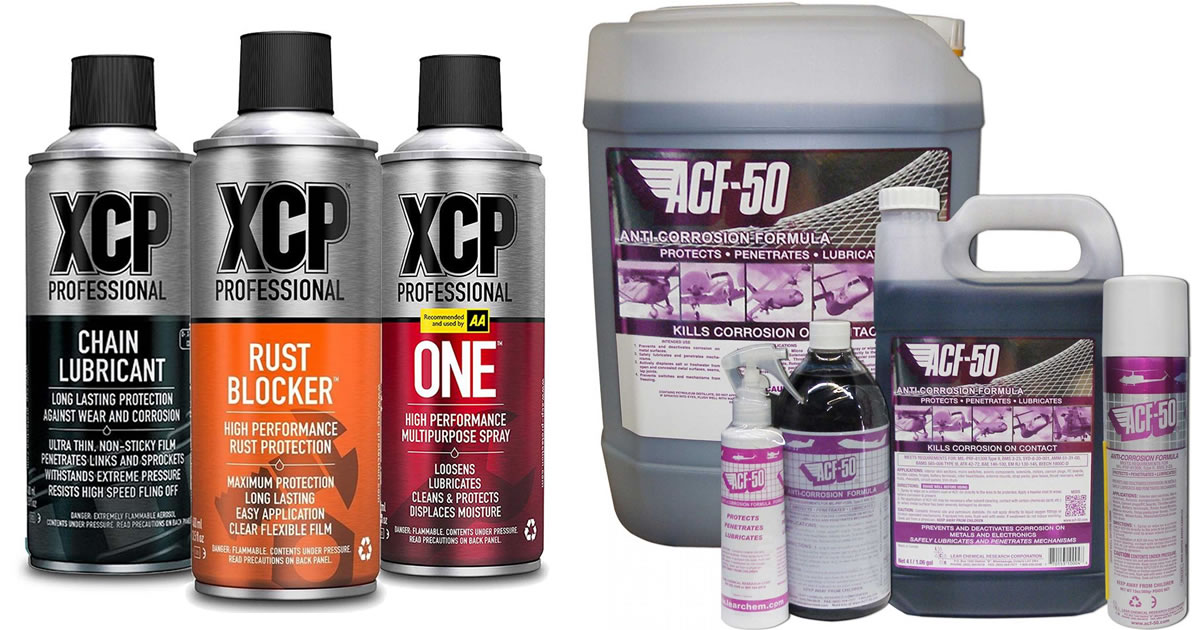
The Protective Solution: ACF-50 & Deep Cleaning
To combat this, the winter rider must become a cleaning and protection expert. Applying heavy-duty anti-corrosion sprays (such as ACF-50 or XCP Rust Blocker) to all vulnerable areas – and reapplying regularly – creates a protective barrier that actively neutralises the corrosive action of the salt. A meticulous pre-winter clean is the only way to ensure the coating adheres correctly.
Safety First: Tyres, Brakes, & Visibility
Tyre Performance (Grip in the Cold)
Standard tyres are engineered to operate at higher temperatures. In cold, wet, or icy conditions, the rubber hardens, dramatically reducing grip.
- Action: Ensure your tyres have ample tread depth (well above the legal minimum) to displace standing water and check your pressures diligently. Consider switching to a dedicated winter or all-season tyre compound designed to stay pliable and effective at lower temperatures.
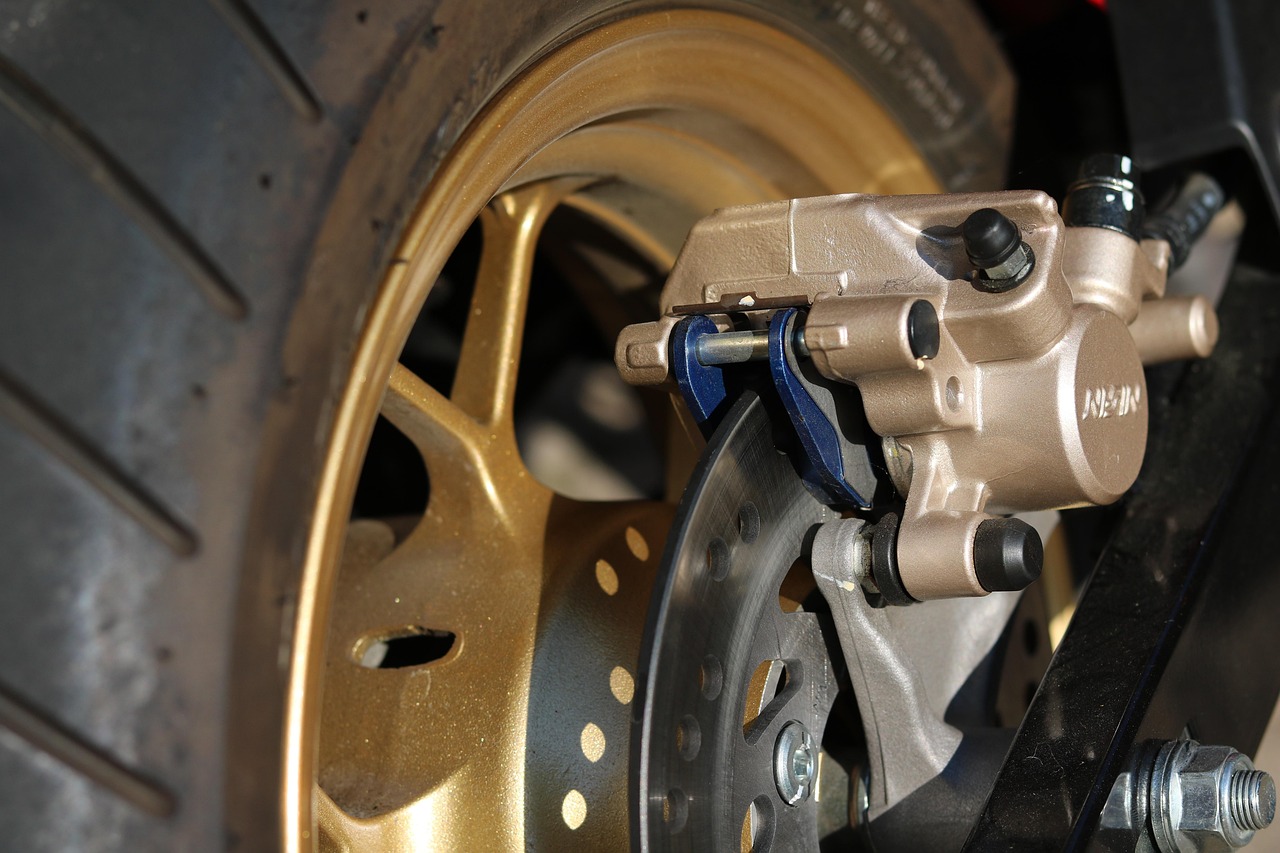
Brake System Health
Brake hoses, pads, and fluid are all affected by the cold and damp:
- Action: Inspect brake pads for wear and ensure discs are free of rust. If your brake fluid is nearing its recommended replacement interval, change it now. Contaminated or aged brake fluid lowers the boiling point, which is crucial if you rely on aggressive braking, even in the cold.
Lighting and Visibility
With shorter days, you spend more time riding in the dark or through low-hanging mist and fog.
- Action: Verify all lights – headlights, tail lights, indicators, and especially brake lights – are bright, clean, and functioning perfectly. Consider fitting high-visibility reflective tape or high-viz gear to maximize your profile.
The Cold-Weather Battery Battle
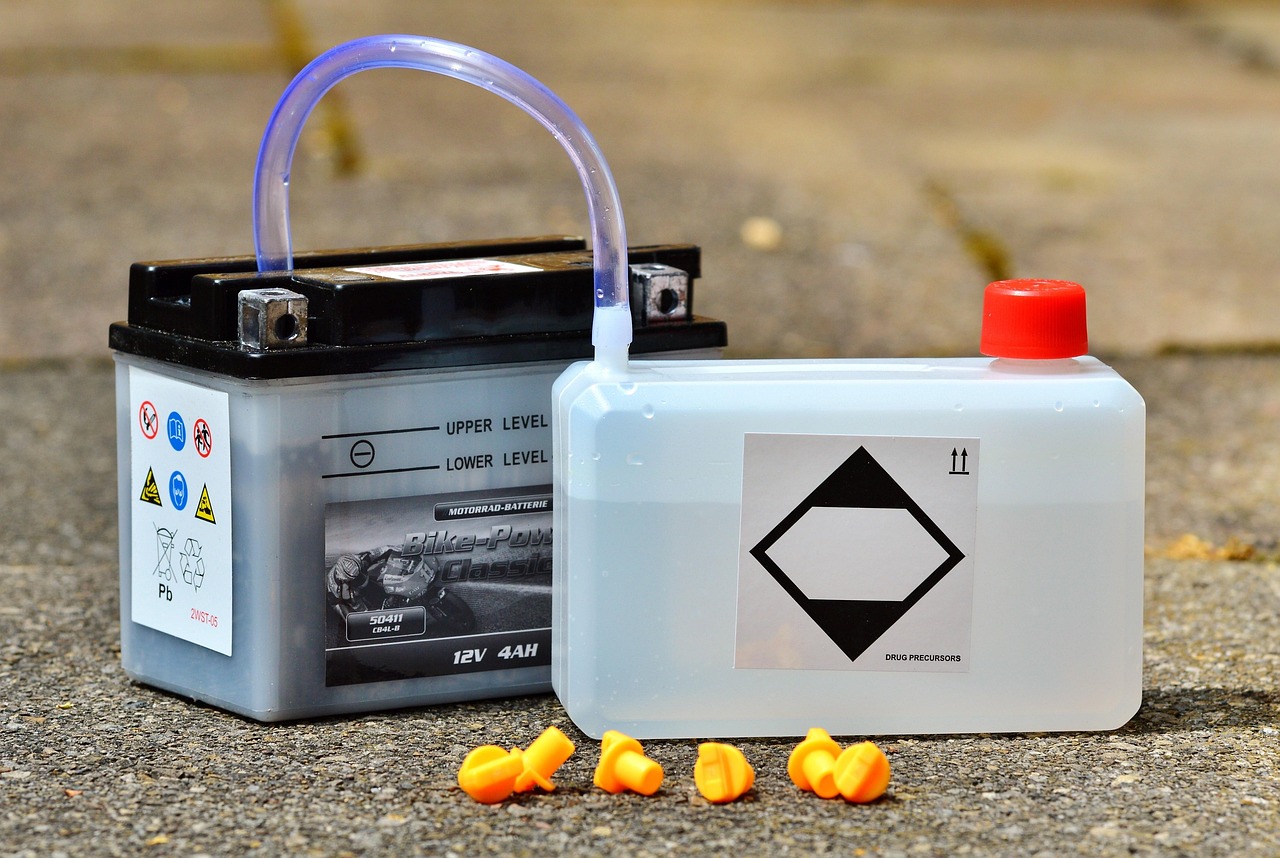
Batteries are particularly susceptible to cold weather. Low temperatures reduce a battery’s capacity to hold a charge, while modern bikes—laden with electronics, alarms, and immobilisers – place a constant drain on the system.
- The Problem: When you turn the key on a cold morning, the engine oil is thick and sluggish, requiring a huge burst of power from the battery to turn the engine over. If the battery is already low, you’ll be left stranded.
- The Solution: Investing in a quality battery tender (or smart charger) is essential. If you ride frequently, use it overnight. If you store the bike, connect it to the tender for the entire off-season. This maintains the battery at its optimal voltage, ensuring reliable starting and prolonging the battery’s overall lifespan.
Prepared for Storage: The Off-Season Strategy
If your bike is coming off the road for the winter, a proper winter storage routine safeguards your investment better than simply pushing it into the shed.
- Fuel: Fill the tank completely to the brim. This prevents internal condensation and subsequent rust from forming on the inside walls of the metal fuel tank. Consider adding a fuel stabilizer to keep the petrol fresh and prevent gumming up the fuel system.
- Oil Change: Change the oil and filter before storage. Leaving old, contaminated, and acidic oil in the sump for months allows those contaminants to attack internal engine components. Fresh oil provides maximum protection while the bike is dormant.
- Tyre Care: Raise the tyres off the ground using paddock stands, or at the very least, overinflate them slightly (around 50 PSI) to prevent flat spots from forming where the tyre meets the cold floor.
- Cover: Use a breathable indoor cover to protect the finish from dust and moisture fluctuation. Never use a non-breathable plastic sheet, as this traps moisture and promotes corrosion.
By embracing the proactive maintenance required to get your bike winter ready, you don’t just protect your machine – you protect your riding future, ensuring that when the first warm spring day arrives, your bike is ready to greet the road with flawless reliability.